Frankie Weber · 1 October 2026
Calmwald's Nighttime Soundscapes: Acoustic Monitoring Captures Shifts in Nocturnal Wildlife Activity
Researchers in Calmwald have deployed networks of acoustic sensors across forested zones since early 2024, and these devices record continuous audio streams that document nocturnal species interactions from dusk until dawn. The project focuses on bats, owls, amphibians and insects whose calls form distinct sound signatures, and data processing algorithms isolate these patterns from background noise like wind or distant traffic. Observers note that recordings from multiple stations allow comparison between core protected zones and edge habitats near trails or roads.
Deployment and Data Collection Methods
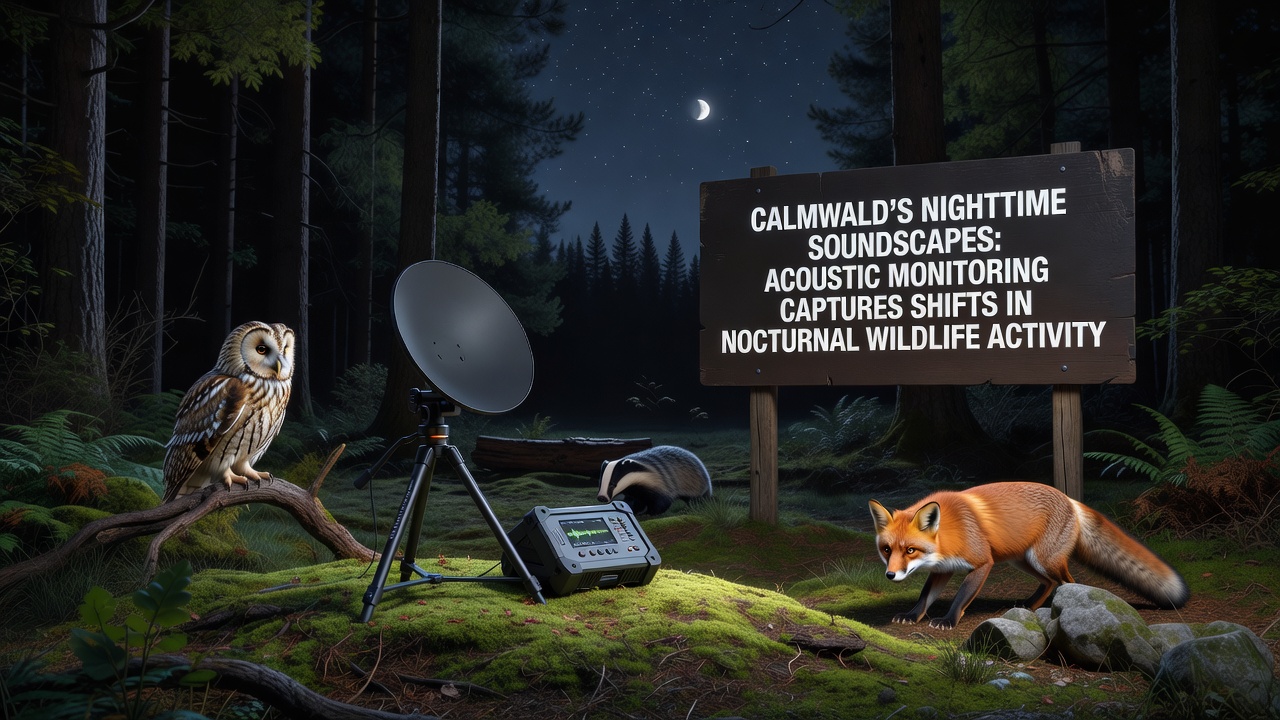
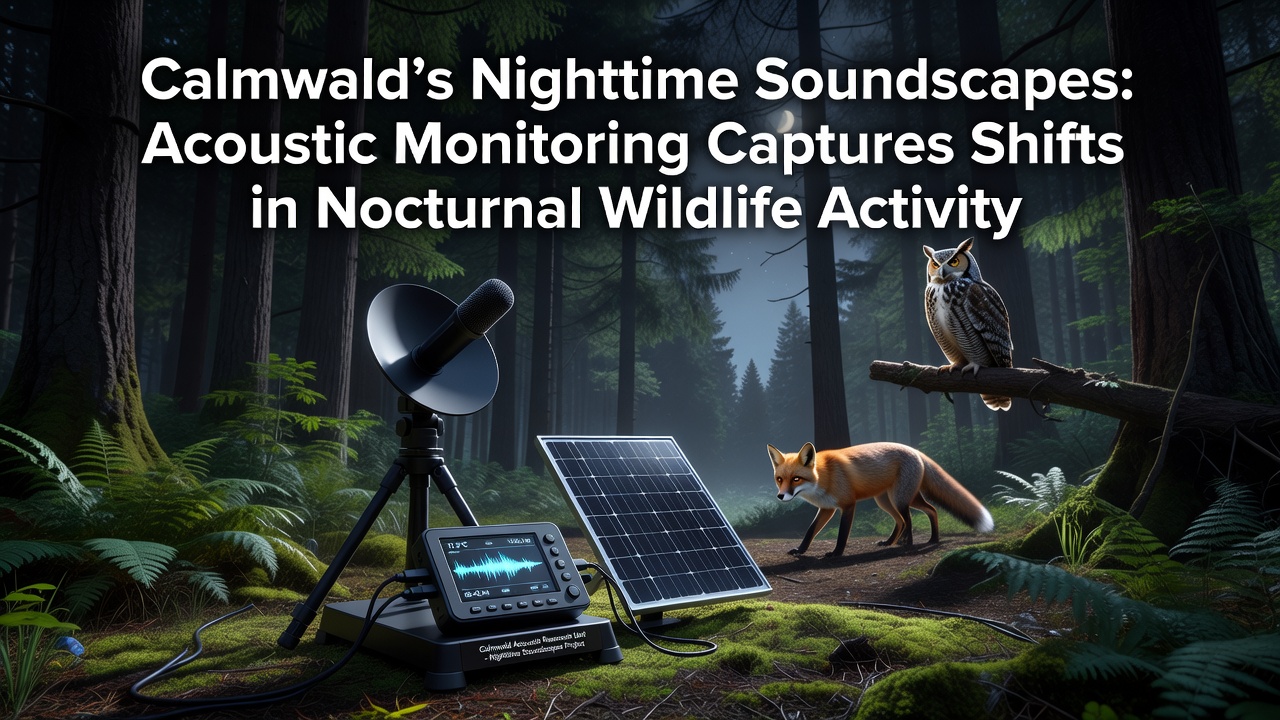
Stations consist of weatherproof microphones paired with solar-powered recorders that capture 24-hour cycles while storing files on removable drives for later analysis. Teams visit sites monthly to download data and perform calibration checks, and this routine ensures consistent quality across seasons. Software developed by European research groups identifies calls from specific taxa, while human experts verify automated classifications for accuracy. Data from October 2026 shows increased activity levels for certain bat species compared with the same period in 2025, whereas amphibian choruses registered lower peak volumes in several wetlands.
Acoustic indices such as the Acoustic Complexity Index and Bioacoustic Index quantify overall sound diversity without requiring species-level identification first. These metrics reveal gradual changes in nocturnal soundscapes, and researchers combine them with weather records and vegetation surveys to identify potential drivers. One study coordinated with the Australian Acoustic Observatory demonstrated similar index shifts in comparable temperate forests, which provides a useful reference point for Calmwald analysts.
Observed Changes in Species Activity
Analysis of thousands of hours of recordings indicates that some nocturnal bird species now call later into the night than they did three years ago, while certain insect groups show compressed activity windows around midnight. Bat passes per hour increased in upland areas but declined near forest edges adjacent to agricultural fields. These patterns emerge clearly when researchers overlay monthly averages and account for temperature variations, and the shifts align with broader reports from the European Environment Agency on changing phenology in Central European woodlands.
Amphibian breeding calls peaked earlier in spring 2026 according to timestamped files, and this timing difference matches satellite observations of earlier leaf-out in the same valleys. Mammal vocalizations from deer and foxes appear stable in total count yet occur in different spatial clusters than previously mapped. Such redistribution may relate to altered understory density documented through separate vegetation transects.
Integration with Broader Ecological Research
Acoustic datasets complement camera trap records and live-trapping efforts already underway in Calmwald, and combined outputs feed into regional biodiversity assessments. Scientists at several universities process subsets of the audio archive to test machine-learning models that predict species presence from environmental variables alone. Results from these models help prioritize future sensor placements in under-sampled ravines and ridge lines.
Cross-border collaborations allow comparison with monitoring programs in the Black Forest and Swiss Jura, and shared protocols ensure data compatibility. One joint paper published in 2026 highlighted how acoustic trends in Calmwald mirror those recorded in comparable protected areas across the Alps, which strengthens the case for coordinated conservation responses.
Conclusion
Continuous acoustic monitoring supplies objective records of nocturnal wildlife trends in Calmwald that traditional survey methods alone cannot capture at the same scale. The growing archive supports evidence-based adjustments to habitat management while providing baseline measurements for tracking future changes. As more years of data accumulate, researchers gain clearer views of how seasonal and multi-year patterns interact with local conditions.